Inside the Olive Oil Refining process: The Chemistry
By Carolina Urbano Savelli Gomes
Angel García Pizarro
Cristina Constantí Garriga
September 9, 2026
10 MIN READ
Refining remains one of the most misunderstood concepts in the olive oil trade. Outside specialized quality-control circles, the term is occasionally misconstrued as a synonym for adulteration. In reality, industrial refining is a legal, standardized, long-established process that converts olive yields affected by frost, delayed milling, or other production challenges into a neutral, food-grade liquid fat.
Within the olive oil category, refined olive oil is widely used as the main component of products marketed as “olive oil” in many countries. These products generally consist of refined olive oil blended with virgin and/or extra virgin olive oil, although the specific composition and commercial terminology vary by market. Terms such as “Pure” or “Extra Light” are commonly used in some markets but are not internationally harmonised categories and should therefore not be interpreted as indicating a specific blend ratio.
From a nutritional perspective, extra virgin olive oil and refined olive oil have broadly similar fatty acid profiles, both being rich in monounsaturated oleic acid, and provide essentially the same energy density.
EVOO vs. Refined Olive Oil: key differences
Same botanical origin, very different sensory and analytical results
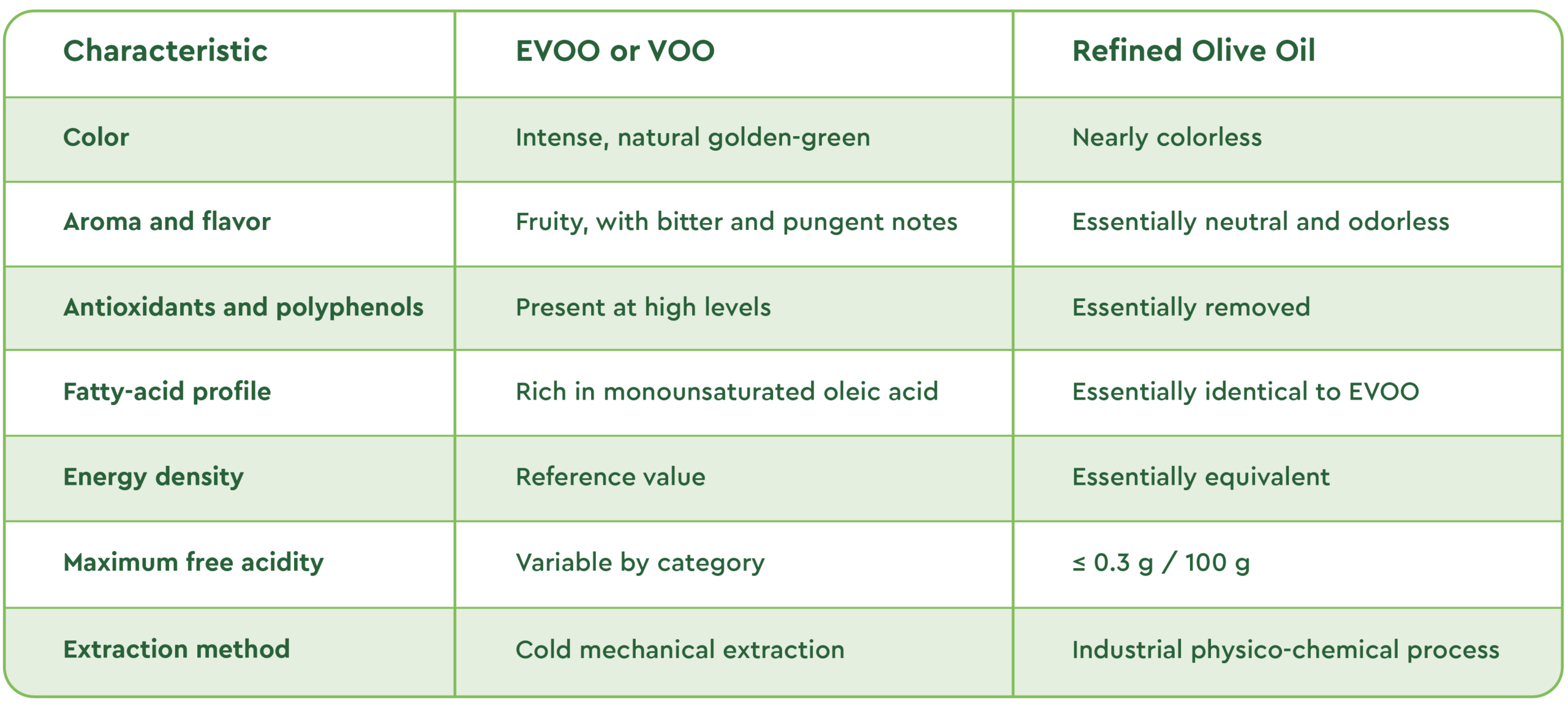
The key difference lies in minor bioactive compounds: while EVOO retains natural antioxidants, polyphenols, and vibrant flavors from cold mechanical pressing, the refining process removes these sensory and antioxidant elements.
The result is a pale, nearly odorless, flavorless fat. Thanks to its neutral taste and high-heat performance, refined olive oil serves as a functional, olive-derived alternative to seed oils and other low-cost neutral cooking fats.
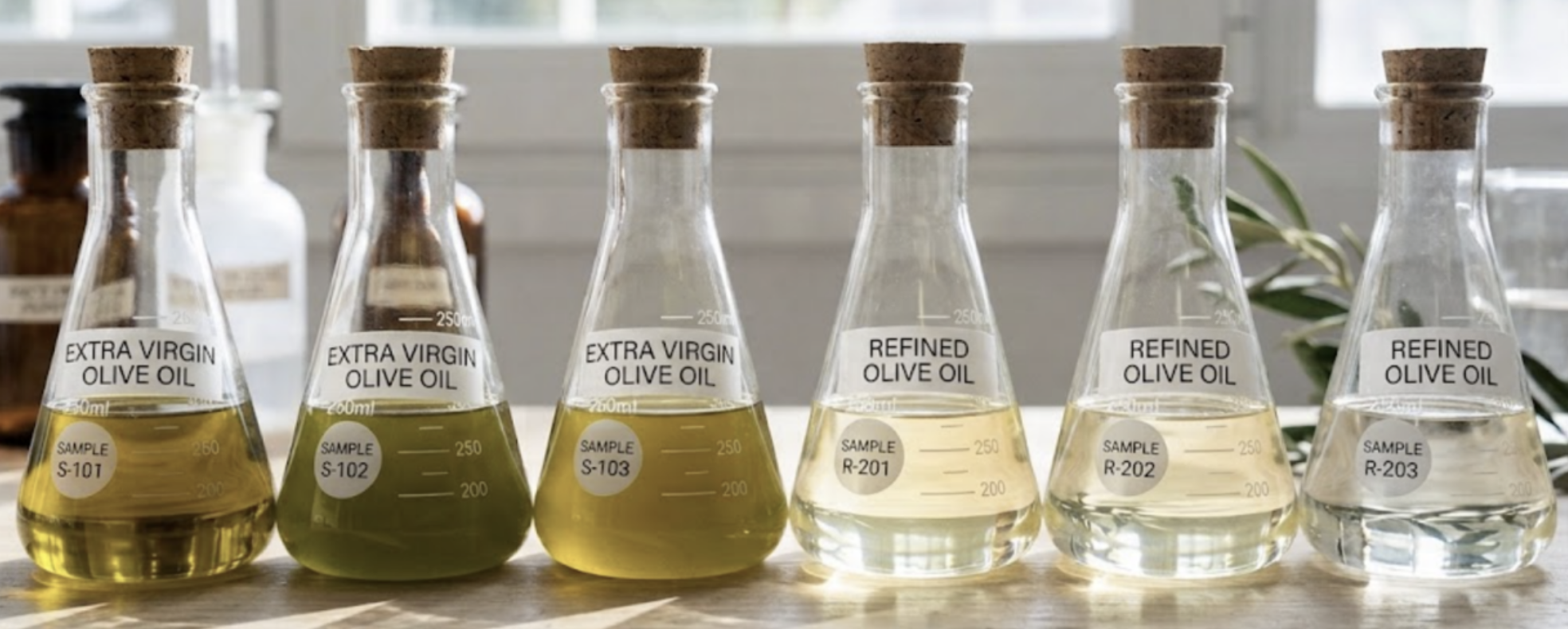
Example of Visual difference between Extra Virgin and Refined Olive Oil.
Ultimately, the distinction that matters to professional food buyers and consumers alike is not whether an oil has undergone refinement, but whether that fact is transparently declared, fully traceable, and verified through chemical analysis. This is critical because refined oil cannot be identified by sight or taste alone.
From Excellence to Lampante: Causes of Olive Oil Quality Degradation
The primary goal of olive cultivation is to produce extra virgin olive oil, considered the pinnacle of quality and, in essence, pure, fresh olive fruit juice. However, not all mechanically extracted olive oil meets this standard.
Various agricultural issues, such as fruit damage caused by the olive fruit fly (Bactrocera oleae), frost damage, or over-ripening, alongside suboptimal processing or storage at the mill (such as pre-milling fermentation) and the natural aging of the oil over time, can severely impair quality.
Causes of quality degradation
Not every mechanically extracted oil meets Extra Virgin standards

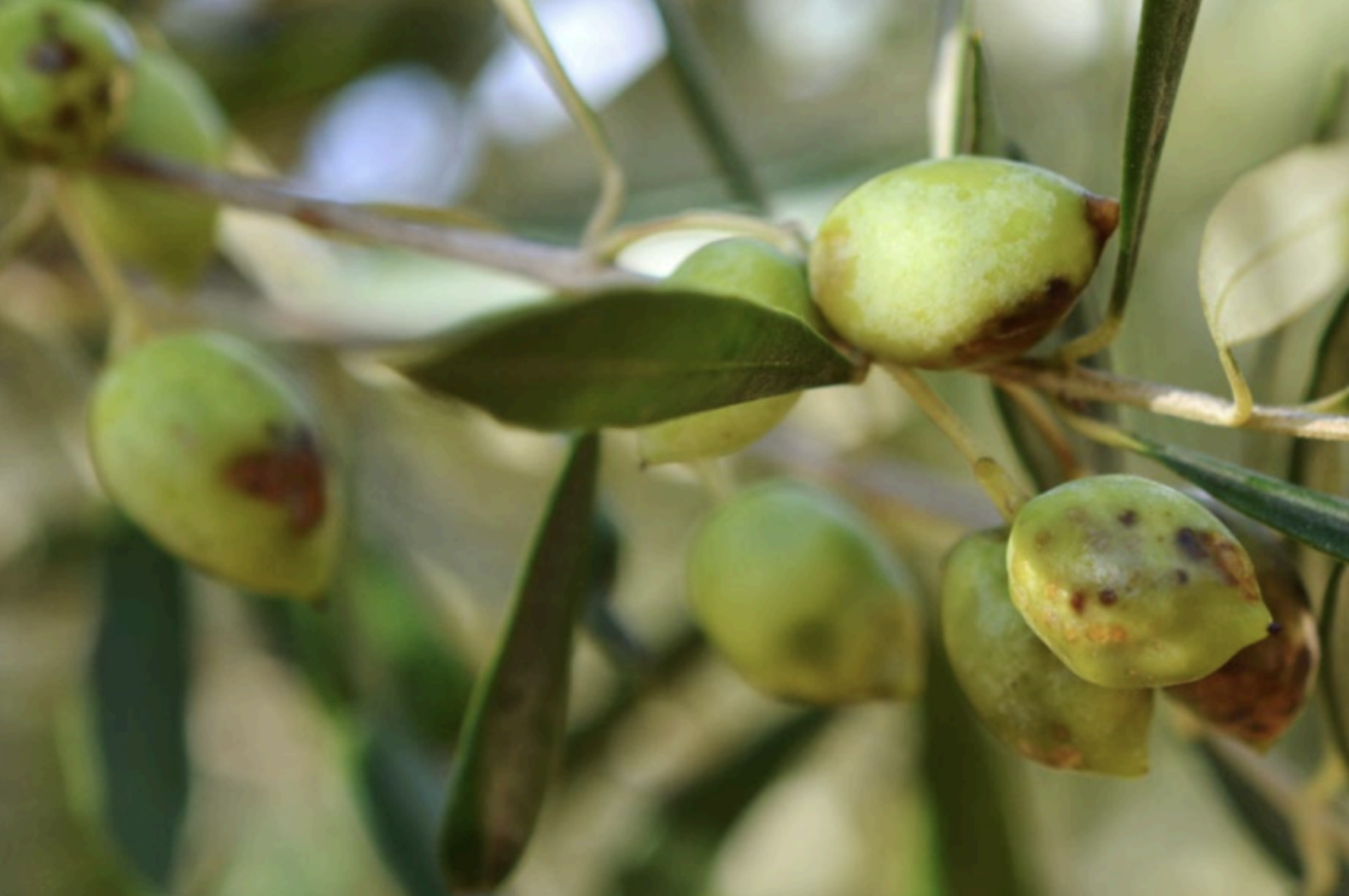
Example of damaging fruit by flies.
These factors result in sensory defects and non-compliance with the physicochemical parameters established by EU legislation and International Olive Council (IOC) standards.
Consequently, the product is classified as virgin lampante olive oil, requiring it, under IOC and Codex Alimentarius rules, to be routed to industrial refineries or non-food applications.
What happens inside a refinery
The purpose of refining is to strip out free acidity, off-odors, off-flavors and irregular color while preserving the triacylglycerol backbone and minimizing hydrolysis or other alterations to the esterified fatty-acid structure. This requirement is set out in Codex Standard CXS 33-1981, ensuring that the finished product still qualifies legally as olive oil. Although the sequence varies slightly between chemical and physical refining, most industrial processes include the following operations:
The refining process, step by step

Five tightly controlled industrial operations — Codex Standard CXS 33-1981
Goal: strip out free acidity, off-odors and irregular color while preserving the triacylglycerol backbone.
- Degumming: when required, dilute phosphoric or citric acid converts non hydratable phospholipids into hydratable forms, allowing their removal by centrifugation.
- Neutralization: in chemical refining, dilute sodium hydroxide converts free fatty acids into soaps (soapstock) that are separated from the oil together with part of the minor polar compounds; physical refining skips this step and removes free fatty acids later during deodorization.
- Bleaching: activated bleaching earths adsorb carotenoid and chlorophyll pigments, residual soaps (from chemical neutralization), oxidation products, phosphorus compounds, and pro-oxidant trace metals under controlled temperatures.
- Deodorization: a high-vacuum steam-distillation step in which temperature, pressure, steam flow and residence time are carefully controlled to remove volatile aldehydes, ketones and alcohols responsible for off-notes. In physical refining, this stage also removes the remaining free fatty acids by steam distillation. “Soft” deodorization, typically performed under high vacuum at approximately 140-180 °C with reduced steam flow and shorter residence times, aims to remove sensory defects while minimizing damage to polyphenols and other heat-sensitive compounds.
- Winterization or Dewaxing: The oil is chilled slowly so that high-melting-point waxes and triglycerides crystallize. These solid crystals are then removed through a final filtration, leaving a bright and clear liquid
Under IOC, Codex and EU standards, refined olive oil must present a free acidity not exceeding 0.3 g/100 g together with compliance with all applicable purity criteria, nearly colorless, and largely stripped of aroma and flavor.
What changes and what doesn’t at the molecular level
Refining is selective: it removes the minor, non-glyceridic fraction far more aggressively than it touches the core fatty-acid structure.
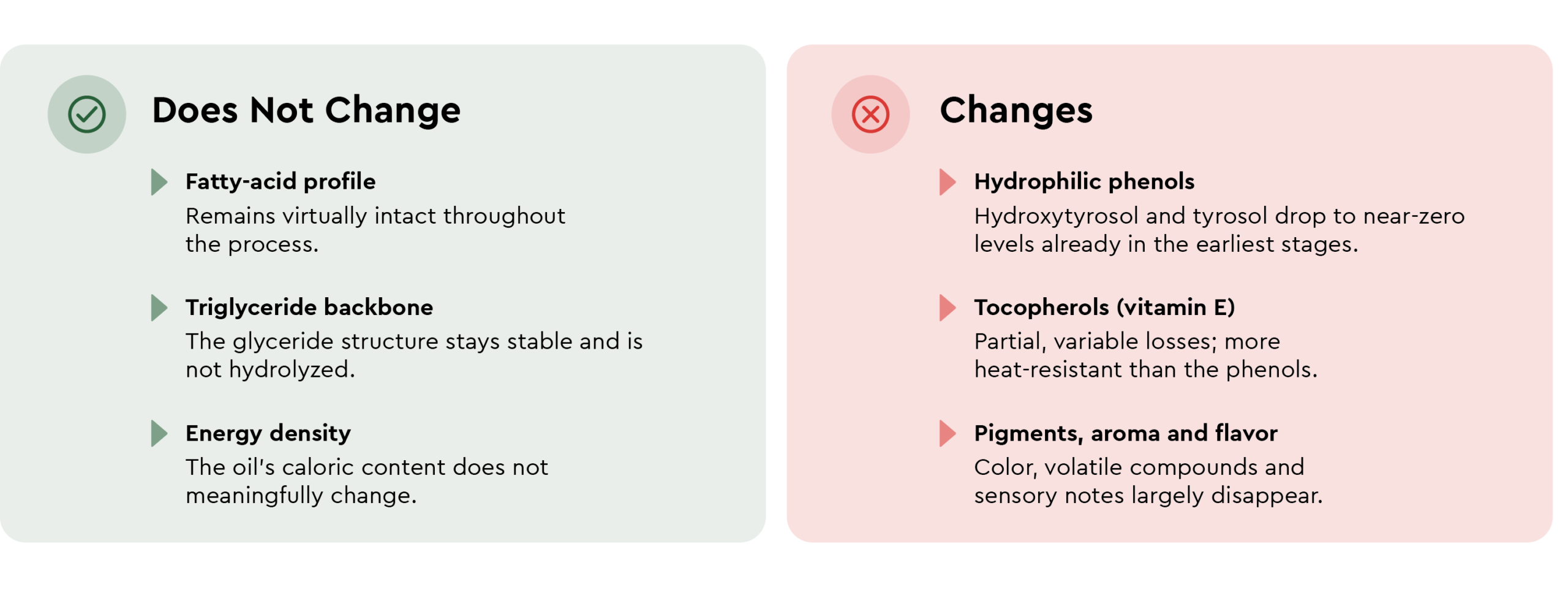
Phenolic compounds. Hydrophilic phenols such as hydroxytyrosol and tyrosol, responsible for bitterness, pungency and much of extra virgin olive oil’s antioxidant capacity, are largely eliminated in the earliest refining steps. A 2020 study from the University of Udine and Marche Polytechnic University, which tracked lampante oils through each refining stage by UHPLC, found that hydrolyzed hydroxytyrosol and tyrosol content was reduced to essentially zero well before deodorization even began.
Tocopherols (vitamin E). These are more heat-resistant. The same Udine/Marche study measured losses of 7% to 16% in only four of nine oils tracked through refining, with the rest showing no clear trend, a reminder that tocopherol behavior during refining is comparatively unpredictable. A separate assessment of stepwise chemical refining reported reductions in the 24–34% range for tocopherols and sterols combined, concentrated mainly in the bleaching and deodorization steps of the process.
Fatty-acid and triglyceride profile. The fatty-acid and triacylglycerol composition remains largely unchanged under correctly controlled refining conditions, although minor oxidative reactions, limited formation of trans fatty acids and slight triacylglycerol isomerization may occur during deodorization in the refining process, since the ester bonds of the triacylglycerols are not designed to undergo hydrolysis or transesterification.
The laboratory markers that give refining away
Without clear disclosure and verification, the neutral characteristics of refined oil make subtle blending into extra virgin olive oil undetectable on the shelf, placing the responsibility for monitoring and safeguarding authenticity on retail buyers, regulatory control bodies, and consumer protection associations.
Although trained sensory panels may identify the absence of characteristic virgin olive oil attributes, sensory evaluation alone cannot conclusively demonstrate the presence of refined olive oil.
Confirmation therefore relies on analytical markers generated during refining; markers a genuine, unrefined virgin oil should not contain in meaningful amounts.
The chemical fingerprints of refining
Compounds a genuine virgin oil shouldn’t contain in meaningful amounts

Stigmastadienes. The reference marker. These steroidal hydrocarbons are formed primarily during high-temperature deodorization through dehydration of sterols, mainly β-sitosterol, and are therefore recognized as one of the principal analytical markers of refined olive oil. Genuine virgin olive oils contain them at trace levels, typically below the EU/IOC regulatory limit of 0.05 mg/kg; a UK Government-funded study (Food Chemistry, 2014) developed a faster GC-MS method sensitive enough to quantify stigmastadienes down to 0.015 mg/kg, well below that regulatory threshold, improving on the older GC-FID reference method.
Pyropheophytin a (PPP). A thermal breakdown product of chlorophyll, formed when the porphyrin ring degrades under heat. Research led by the Instituto de la Grasa (Spanish National Research Council, CSIC) in Seville, published in Food Chemistry (2017) and Foods (2020), tracked how quickly PPP accumulates under controlled deodorization conditions, making the pheophytin-to-pyropheophytin ratio a practical screening tool alongside stigmastadienes.
ECN42 (Equivalent Carbon Number) delta. Compares the theoretical triglyceride content calculated from fatty-acid composition against the actual value measured by HPLC. Deviations from the theoretical ECN42 value indicate inconsistencies in the natural triacylglycerol composition and are mainly used to detect adulteration with other vegetable oils rather than refining itself, although its sensitivity decreases when adulteration occurs at very low proportions.
Beyond the primary indicators
Complementary parameters that reinforce authenticity assessments

Wax and sterol esters. Particularly useful for distinguishing olive-pomace oils from virgin olive oils and for supporting authenticity assessments when interpreted together with other regulatory markers.
Fatty Acid Ethyl Esters (FAEEs). Fatty Acid Ethyl Esters (FAEEs). These compounds are primarily associated with the fermentation and deterioration of olives before processing. Because they may persist after mild deodorization, an apparently sensory-neutral oil showing an elevated FAEE content may raise suspicion of processing intended to mask an originally defective oil. However, FAEE values alone do not demonstrate deodorization and should be interpreted together with other analytical and regulatory markers.
Diacylglycerol (DAG) Isomerization. Thermal stress forces fresh 1,2-DAGs to isomerize into the more stable 1,3-DAGs. A reduced 1,2-DAG ratio (especially when inconsistent with the oil’s free acidity) exposes heat treatment used to rehabilitate low-grade oil.
A 2022 review in Comprehensive Reviews in Food Science and Food Safety, led by researchers at the University of Barcelona, and a companion review from a University of Udine–Bologna consortium (Trends in Food Science & Technology, 2020) both make the same practical point: no single marker is fully conclusive on its own, and current EU reference methods still leave room for sophisticated blending to go undetected at low percentages. That is why accredited laboratories combine several markers, chromatographic and, increasingly, spectroscopic, rather than relying on any one test in isolation.
Because no single analytical marker is sufficiently specific to detect every type of olive oil adulteration or undeclared refining, official control laboratories apply a multi-marker approach. This combines regulated chemical parameters – including stigmastadienes, sterol composition, waxes, ECN42, fatty-acid composition and UV spectrophotometric indices (K232, K270 and ΔK) – together with spectroscopic tools such as NMR and FTIR (typically supported by chemometric models) and isotope-ratio mass spectrometry (IRMS)). This integrated analytical strategy is increasingly recommended in recent scientific reviews and reflects current best practice for authenticity assessment.
Where chemistry meets the supply chain
Refining is a legitimate industrial tool for making agricultural surplus commercially usable, and it exists within a well-defined legal boundary: the finished product must be labeled honestly as “olive oil” or “refined olive oil, as ingredient” never as virgin or extra virgin, and its movement through the supply chain must be documented. Laboratory markers such as stigmastadienes, ΔK, Esters and PPPs(A) are most powerful not as one-off tests but as part of a continuous verification system, paired with packer identification codes, required under EU Implementing Regulation 2022/2105, and with batch-level traceability records that let a buyer reconstruct an oil’s processing history rather than infer it from a single snapshot analysis.
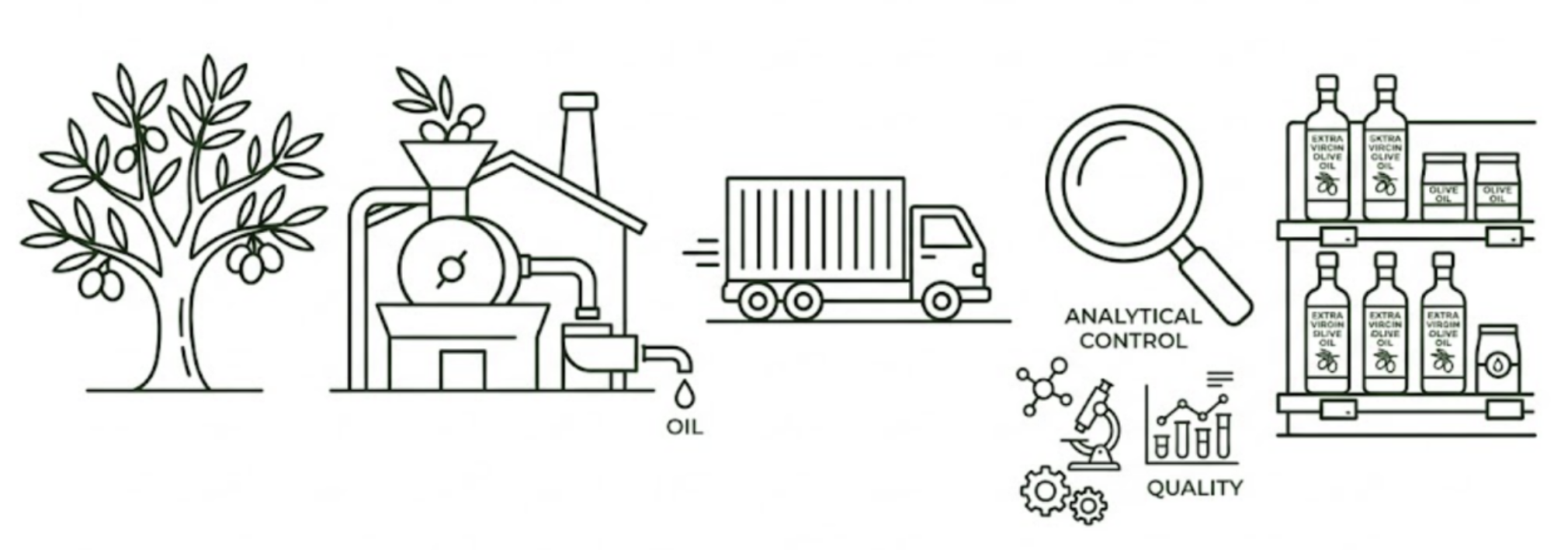
For B2B buyers, the practical takeaway is straightforward: a compliant refined oil is not a hidden threat when it is declared and documented. The risk sits specifically in undeclared blending. That risk is precisely what stigmastadienes, pyropheophytin a, fatty acid ethyl esters, DAGs and ECN42 are designed to detect when interpreted together within a multi marker authenticity assessment.
About the authors
The Certified Origins Quality team brings together lipid chemists and food-law specialists. The group works on origin-level process audits, advanced traceability technologies, and ongoing physicochemical analysis of edible oils, with the aim of sharing rigorous science that helps B2B buyers verify authenticity across the global olive oil supply chain.



Sources:
- International Olive Council (IOC). Trade Standard Applying to Olive Oils and Olive-Pomace Oils, COI/T.15/NC No 3/Rev. 22 (June 2026).
- Codex Alimentarius (FAO/WHO). Standard for Olive Oils and Olive-Pomace Oils, CXS 33-1981.
- European Commission. Delegated Regulation (EU) 2022/2104 and Implementing Regulation (EU) 2022/2105 on marketing standards and conformity checks for olive oil. Official Journal of the European Union, OJ L 284, 4.11.2022.
- North American Olive Oil Association (NAOOA). The Olive Oil Guide. https://www.aboutoliveoil.org/olive-oil-guide.
- Lucci, P., Bertoz, V., Pacetti, D., Moret, S., & Conte, L. (2020). Effect of the Refining Process on Total Hydroxytyrosol, Tyrosol, and Tocopherol Contents of Olive Oil. Foods, 9(3), 292.
- Aparicio-Ruiz, R., Romero, I., García-González, D.L., Oliver-Pozo, C., & Aparicio, R. (2017). Soft-deodorization of virgin olive oil: Study of the changes of quality and chemical composition. Food Chemistry, 220, 42–50.
- Aparicio-Ruiz, R., et al. (2020). Pyropheophytin a in Soft Deodorized Olive Oils. Foods, 9(8), 978.
- Gharby, S., Hajib, A., Ibourki, M., Sakar, E.H., & Nounah, I. (2021). Induced changes in olive oil subjected to various chemical refining steps. Scientific African, 12, e00779.
- Crews, C., et al. (2014). An improved rapid stigmastadiene test to detect addition of refined oil to extra virgin olive oil. Food Chemistry.
- Conte, L., Bendini, A., Valli, E., Lucci, P., Moret, S., Maquet, A., Lacoste, F., Brereton, P., García-González, D.L., Moreda, W., & Gallina Toschi, T. (2020). Olive oil quality and authenticity: A review of current EU legislation, standards, relevant methods of analyses, their drawbacks and recommendations for the future. Trends in Food Science & Technology, 105, 483–493.
- Lozano-Castellón, J., López-Yerena, A., Vallverdú-Queralt, A., et al. (2022). Extra virgin olive oil: A comprehensive review of efforts to ensure its authenticity, traceability, and safety. Comprehensive Reviews in Food Science and Food Safety, 21(3).
- Gómez-Coca, R.B., Fernandes, G.D., Pérez-Camino, M.C., & Moreda, W. (2016). Fatty acid ethyl esters (FAEE) in extra virgin olive oil: A case study of a quality parameter. LWT – Food Science and Technology, 66, 378–383.
- Pérez-Camino, M.C., Moreda, W., & Cert, A. (2008). Alkyl esters of fatty acids: A useful tool to detect soft deodorized olive oils. Journal of Agricultural and Food Chemistry, 56(16), 6740–6744.
- Pérez-Camino, M.C., Moreda, W., & Cert, A. (2001). Determination of diacylglycerols as an indicator of freshness and quality of virgin olive oils. Journal of Agricultural and Food Chemistry, 49(1), 88–93.
- Aparicio-Ruiz, R., Mínguez-Mosquera, M.I., & Gandul-Rojas, B. (2010). Thermal degradation kinetics of chlorophyll pigments in extra virgin olive oils. Journal of Agricultural and Food Chemistry, 58(11), 6799–6808.
- Hashempour-Baltork, F., Vali Zade, S., Mazaheri, Y., Mirza Alizadeh, A., Rastegar, H., Abdian, Z., Torbati, M., & Azadmard-Damirchi, S. (2024). Recent methods in detection of olive oil adulteration: State-of-the-Art. Journal of Agriculture and Food Research, 16, 101123
Share on


